🇬🇧 United Kingdom / NI
NI Theory Practice Test
Free DVA theory test practice for Northern Ireland. Real exam: 50 questions, pass mark 86%. This free quiz: 10 questions.
SIGNS · 1/10
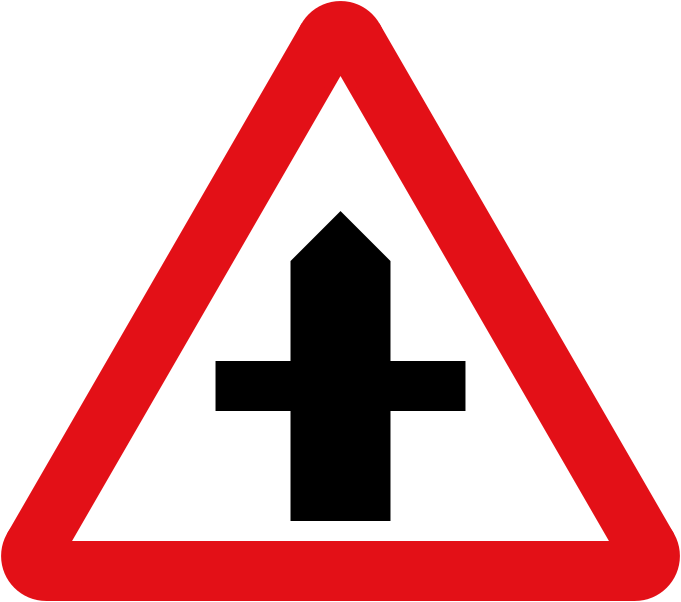
What does a triangular sign with a bold cross shape mean?
Quick facts
Fee, retake rule and booking link checked against the official source on .
5 more real practice questions
1. Why are variable speed limits used on busy stretches of motorway?
- To raise money from safety camera fines
- To give slower vehicles time to reach the left lane
- To test how drivers respond to gantry signals
- To keep traffic moving smoothly and reduce bunching in congestion ✓
Variable mandatory limits smooth traffic flow, which reduces stop-start bunching and can cut journey times.
2. The caravan you are towing begins to snake from side to side. You should:
- Steer sharply from side to side to counter the sway
- Accelerate to pull the caravan straight
- Brake firmly to bring the outfit under control
- Ease off the accelerator and reduce speed gently until the snaking stops ✓
If a trailer or caravan snakes, come off the power gradually and slow gently — harsh braking or steering makes it worse.
3. When may you use a hand-held phone at the wheel?
- Only to call 999 or 112 in a genuine emergency when it is unsafe or impractical to stop ✓
- When the call is from a family member
- When you are held in stationary traffic on a motorway
- When checking a text message at a red light
The only exception to the hand-held ban is a genuine emergency call when stopping would be unsafe or impractical.
4. Who is responsible for ensuring that a passenger under 14 wears a seatbelt or suitable restraint?
- The child's parent, wherever they are
- The child, once they are over 10
- The passenger sitting next to the child
- The driver ✓
The driver is legally responsible for passengers under 14 being properly restrained.
5. In slow-moving traffic inside a tunnel, you should:
- Switch your headlights off to avoid dazzling drivers ahead
- Keep a safe distance from the vehicle in front, even at low speed ✓
- Close right up to stop other vehicles cutting in
- Straddle two lanes so you can see further ahead
Always maintain a safe gap in tunnels so you can stop safely and leave room if an incident occurs.